What we finance is the whole story
A bank's emissions are not in its buildings. They are in its loan book, so that is what we report on.

Report the number that matters
We publish financed emissions across our lending portfolio, alongside targets for power, oil and gas, real estate and agriculture. Our own operational footprint is reported too, but it is small by comparison and we do not present it as though it were the story.
Progress is reported once a year and assured by an independent third party.
What we have committed to
Where the work sits
Financed emissions
We measure and publish the emissions of what we lend to, using the PCAF methodology, with reduction targets for the sectors that matter most.
Financial inclusion
An app that runs on older phones, accounts with no minimum balance, and instant money for people who do not bank at all.
Governance
A majority-independent board, a risk officer who reports to it directly, and an anonymous ethics line run by a third party.
Where we actually are
Figures are illustrative in this prototype.
| Measure | 2026 | 2025 | Target |
|---|---|---|---|
| Sustainable finance mobilised | $4.12bn | $2.86bn | $12bn by 2030 |
| Thermal coal exposure | $210m | $340m | Zero by 2030 |
| Renewable energy financed | 4.8 GW | 3.1 GW | 12 GW by 2030 |
| Own operations, renewable electricity | 71% | 58% | 100% by 2028 |
Transmission, not just generation
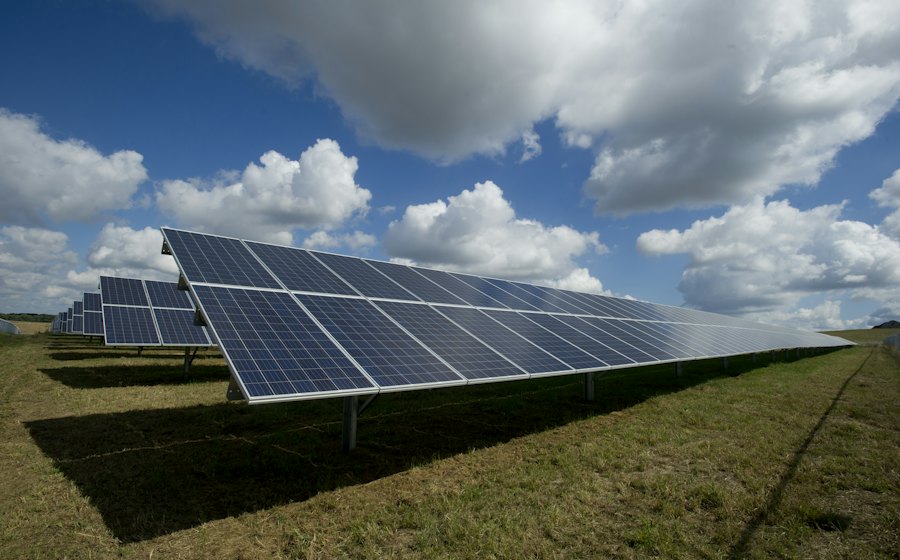
The United States no longer has mainly a generation problem. It has a transmission and storage problem, which is harder to finance because the revenue is regulated rather than contracted.
Our structured finance team now underwrites transmission and storage alongside generation.
- $1.84bn committed to transmission and storage since 2024
- Structures alongside tax equity investors and federal loan programs
- Sustainability-linked pricing tied to audited targets
Read the full disclosure
Published alongside the integrated annual report.